
Sunday, 22 July 2012 17:00
Go Ahead and Air Your Dirty Laundry – The Benefits May Surprise You…
Written by Cristian Bravo
 Whether large or small, public or private, companies are feeling the heat from their stakeholders to “air their dirty laundry” regarding their sustainability performance data. A recent Ernst & Young study notes that companies are asked to complete a multitude of surveys and questionnaires every year from customers, NGOs, investor groups, analysts and the media about their sustainability activities. The results from these surveys and questionnaires frequently serve as the data for public rankings, ratings or entry into prestigious sustainability-focused stock indices.
To meet this demand for greater transparency and sustainability performance data, the landscape of public disclosure reporting outlets has been growing. In the comprehensive reporting space is the internationally popular and well-respected Global Reporting Initiative (GRI). The new GRI G4 builds on previous editions which outline standards designed to highlight material topics to a company’s variety of stakeholders related to economic, environmental and social sustainability in their corporate social responsibility reports (CSR). The GRI G4 encourages external assurance and provides a grading scale for CSR reports to allow for comparison and
establishment of best practice across different industries.
The prominent reporting organization in the energy and carbon management space is the Carbon Disclosure Project (CDP), the nation’s largest database of fortune 500 and global 500 companies’ greenhouse gas profiles. An investor-requested questionnaire is sent out to companies worldwide asking for data on topics such as carbon emissions, communications about climate-related behavior, and third-party verification. CDP scores companies’ disclosure based on completion and high quality responses.
Another public disclosure entity that aims to quantify the environmental costs associated with a company’s disclosed environmental impact data is TruCost, a UK-based consultancy. TruCost is a primary source of environmental data and research for the annual Newsweek Green Rankings which examines how the environmental performance of America’s largest public companies stacks up. TruCost is paving the way toward “integrated reporting” which aims to add environmental and social data to a company’s traditional profit and loss report.
The pressure to report and the outlets by which to report are out there, but why get involved at all? The idiom of “airing your dirty laundry” isn’t typically associated with a positive outcome. However, in the case of sustainability reporting, investing in transparency when reporting to your stakeholders can have a significant return on investment. Greater stock growth, market capitalization, loyalty from sustainably-conscious consumers, and favorable attention from investors are all associated with a strategic, material and transparent public disclosure effort. Those companies who do not report are getting left behind by those who do and are experiencing the consequences of having their sustainability story (or lack thereof) told by someone else.
Thinking about getting involved in public disclosure? First, make sure you’re prepared with the right data and analytics. Consider mapping your carbon footprint or exploring an energy management software solution.
Photo Credit: Richard_of_England via Flickr CC
Published in
Blog

Cristian Bravo
Aenean nonummy hendrerit mauris. Phasellus porta. Fusce suscipit varius mi. Cum sociis natoque penatibus et magnis dis parturient
vtem.netLatest from Cristian Bravo
Leave a comment
Make sure you enter all the required information, indicated by an asterisk (*). HTML code is not allowed.
Energy Management
Useful Resources
 Presentation: REDUCING SUPPLY SIDE UTILITY COSTS
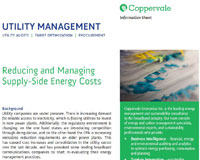 Info Sheet: UTILITY MANAGEMENT
Reducing and Managing Supply-Side Energy Costs.